
Caulking is a simple yet essential part of home maintenance that can make a significant difference in both aesthetics and functionality. However, many DIY enthusiasts accidentally make common mistakes that could lead to costly repairs down the line. In this article, we’ll explore twelve frequent caulking blunders and why it’s often best to enlist the help of a professional caulking service. Avoiding these pitfalls will help ensure your caulking job is done right the first time.
1. Neglecting Surface Preparation
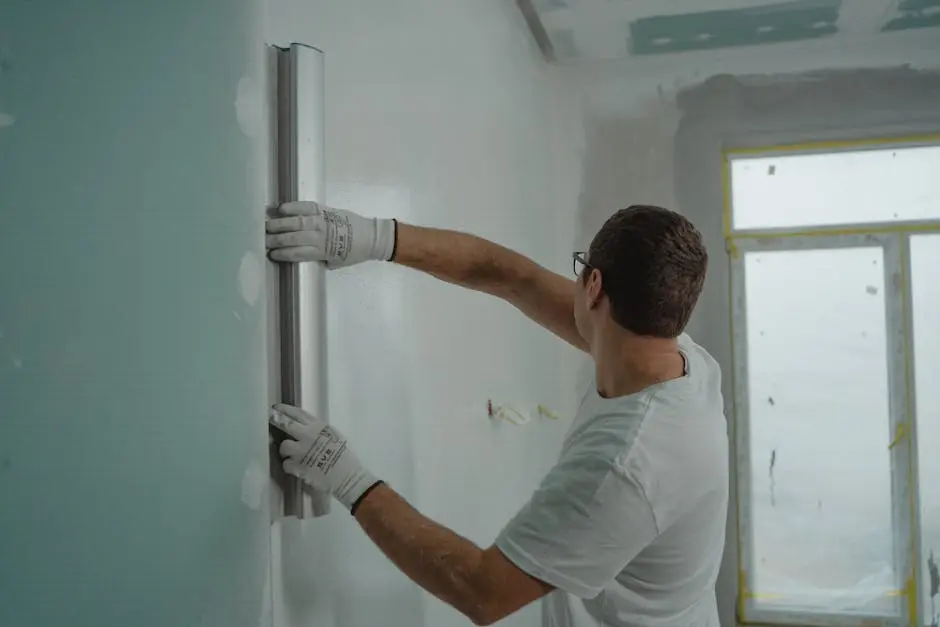
One of the biggest mistakes is failing to prepare the surface before applying caulk. Cleaning and drying the area is critical for adhesion. When you skip this step, you’re setting yourself up for a caulking disaster. Dust, dirt, and moisture will prevent the caulk from bonding effectively, leading to peeling and gaps over time.
Moreover, it’s important to ensure that the surface is smooth and free from old caulk. Any remnants can create an uneven base, compromising your new application. A little extra time spent prepping the area can save you from future headaches; after all, the foundation of a successful caulking job is a well-prepared surface!
2. Using the Wrong Type of Caulk
Different projects require different caulking materials. Not all caulks are created equal, and using the wrong one can lead to poor results. For instance, silicone caulks are great for wet areas while acrylic latex caulks are ideal for indoor applications. Using the wrong type can result in mold growth or even structural damage.
If you’re not sure which caulk to choose, don’t hesitate to consult with a professional caulking service. They can offer valuable insights, ensuring that your selection matches the specific needs of the project. Remember, choosing the right caulk is just as crucial as the application process.
3. Applying Caulk in Wet Conditions
Moisture can interfere with the caulk’s ability to stick and cure properly, which is why it’s important to caulk only in dry conditions. Not only does applying caulk in the rain or high humidity lead to ineffective bonding, but it can also trap moisture underneath, resulting in bubbling and peeling down the line.
If you’ve experienced the frustration of caulk not setting, check the weather before starting your project. There’s no rush; waiting for the right conditions will ensure a longer-lasting and more effective caulking job.
4. Not Using a Caulking Gun Correctly
Improper use of a caulking gun can lead to uneven application. Knowing how to control the flow is crucial for a neat finish. Beginners often squeeze the trigger too hard or release it too quickly, resulting in messy lines. Practicing on scrap material can help build your confidence.
Using the push-and-pull motion of the gun can create a smoother, more consistent application. If you find it challenging, consider watching some tutorial videos or asking a professional for tips. Remember, it’s all about getting the technique right before you get started.
5. Ignoring the Caulk’s Expiration Date
Using expired caulk can compromise the integrity of your work. Always check the date before starting your project. Caulking material has a shelf life, and expired products may not adhere properly, leading to future issues that could be costly to fix.
Taking a moment to inspect your supplies can prevent wasted effort and resources. If you’re unsure about the quality, don’t hesitate to purchase new caulk, or better yet, consult a professional caulking service to ensure you have the best materials at your disposal.
6. Skipping the Tooling Process
After applying caulk, tooling helps to push it into the joint and create a smooth finish. Skipping this step can lead to gaps and inconsistencies. Investing a little time in tooling can elevate your finished project tremendously; it ensures that the caulk sits well and seals effectively against moisture and air.
A damp finger or tooling tool can help achieve that perfect finish. Remember, even small details matter as they contribute to the overall appearance and effectiveness of your caulking.
7. Applying Too Much Caulk
Less is often more when it comes to caulking. Over-applying can create messes and make cleanup difficult. Additionally, too much caulk can lead to pooling, which not only looks unattractive but can also trap moisture and create a breeding ground for mold.
Instead, aim for a thin, continuous bead that fills the joint without overflow. If you find yourself struggling with application, consider asking for help from a professional caulking service. They can provide you with expert tips that come from years of experience.
8. Failing to Allow Proper Drying Time
Patience is key. If you use the area before the caulk sets, you risk ruining your work. Many people underestimate the importance of waiting for caulk to cure, leading to a botched job that could have otherwise been perfect.
Typically, it can take anywhere from a few hours to several days for caulk to fully cure, depending on the type used. Consult the product instructions for specific drying times, and if you’re in doubt, play it safe and wait a bit longer.
9. Choosing the Wrong Color
Picking a color that mismatches the surrounding surface can make your caulk job stand out for all the wrong reasons. Achieving a seamless look is vital; this means not only matching the color but also considering the texture and finish.
For a professional touch, sample your chosen color before making a final decision, and don’t hesitate to reach out to experts for advice on color matching or caulking technique.
10. Not Sealing Corners Correctly
Corners are tricky areas but crucial for a seamless look. Failing to seal them properly leads to water damage and wear. Corners are often the most susceptible to leaks, making it vital to give them extra attention.
You may want to use a backer rod for larger gaps or simply take your time to ensure you’re applying the caulk evenly. Remember, a little extra care in these spots will translate to fewer issues down the road!
11. Ignoring Safety Precautions
Always remember to follow safety guidelines and use protective equipment. Many caulking materials contain chemicals that require care during application. Wearing gloves and working in a well-ventilated area can prevent unnecessary exposure to harmful substances.
Don’t overlook this step; proper safety measures protect not just your health but also ensure that your caulking project proceeds smoothly without any unwanted incidents.
12. Electing to DIY Without Experience
While DIY can be rewarding, if you lack experience in caulking, hiring a professional can save time and prevent headaches. Missteps in the caulking process can lead to far-reaching consequences that cost more to fix than if you had hired a pro in the first place.
Consider the complexity of your project and weigh it against your skill level. It’s perfectly okay to ask for help; professionals are here for a reason, and their expertise can provide peace of mind. If you want to ensure quality results, strongly consider enlisting a professional caulking service to do the job right.
