
When it comes to door repair, even the simplest tasks can become daunting. We often make small mistakes that can lead to big headaches down the line. Whether you’re a DIY enthusiast or a novice, understanding the common pitfalls of door repair can save you time, money, and hassle. In this guide, we’ll explore several mistakes people often make and how to avoid them to ensure your door repairs go smoothly.
1. Neglecting to Assess the Damage
Before jumping into repairs, it’s important to take a step back and fully assess the damage. Failure to do so could lead to ineffective repairs. Instead of simply acknowledging a scratch or dent, take the time to understand the full scope of the issue. This often involves looking beyond the surface—could there be underlying problems that require more attention? For instance, is the door frame warped? Could the hinge be broken? Ignoring any of these details could mean you’re merely putting a Band-Aid on a bigger issue that could resurface later.
When assessing damage, consider the door’s functionality as a whole. Are there any alignment issues? A thorough evaluation can help identify multiple issues that might not be obvious at first glance. Take notes and think about each component: the door itself, the frame, any locks or latch systems, and even the surrounding wall. This detailed approach ensures you’re armed with important insights before you start making any repairs.
2. Using the Wrong Tools
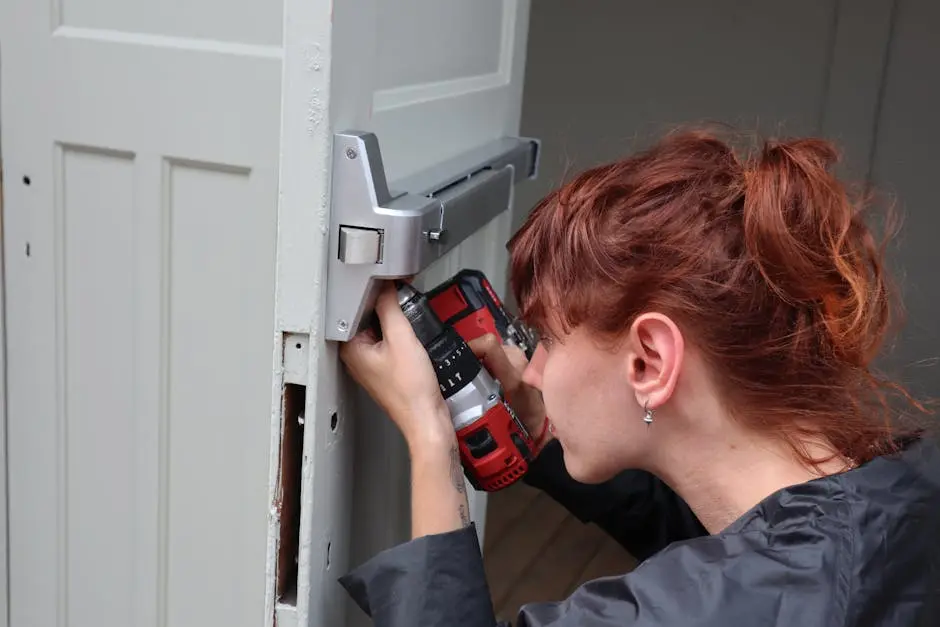
Using improper tools can not only create frustration but can also lead to further damage. Always ensure you have the right tools for the job. If you think your trusty screwdriver can handle everything, think again! Tools are designed for specific tasks, and using them incorrectly can cause more harm than good. For example, a power drill can easily strip screws if you’re not careful. If you’re unsure of what tools you might need, do a bit of research online or consult with a professional.
Moreover, having a toolbox filled with the right equipment allows you to work efficiently and beautifully. Make a checklist of the basic tools you might require before starting your repair: screwdrivers, pliers, a level, and a drilling machine are just a few essentials. Having them at hand not only saves time but ensures you won’t be tempted to use that old butter knife as a makeshift scraper.
3. Ignoring Proper Measurements
Taking measurements might seem tedious, but ignoring this step can result in doors that don’t fit correctly—or worse, need additional repairs. Remember, a door is a specific size that complements its frame; if you don’t take the time to measure accurately, you’re inviting trouble. A door that doesn’t fit can lead to leaks, drafts, and even security issues.
To ensure proper measurements, always double-check both height and width, and even thickness, if necessary. Using a tape measure is straightforward; just remember to measure from several points because sometimes, frames aren’t perfectly square. Additionally, if you’re replacing an existing door, it might be beneficial to note down the dimensions before removing it. Taking that extra minute to confirm your measurements can save you hours later!
4. Overlooking Hardware Condition
It’s easy to focus on the door itself and overlook the hardware. Worn-out hinges or locks can compromise your repair’s success and security. If your door is sticking or creaking, it could be a sign that the hinges need tightening or even replacing. Sometimes, simple lubrication may be all you need, but other times, an entire hardware overhaul is in order.
Before embarking on any other repairs, take a moment to inspect the condition of your door’s hardware. Look for rust or corrosion on screws and hinges, and check locks to ensure they’re functioning as they should.Carefully scrutinize these components can save you from redoing work later. If needed, incorporate new and robust hardware to enhance both the functionality and aesthetic of your door.
5. Skipping the Weatherproofing
Weatherproofing is essential for durability and energy efficiency. Don’t neglect this step in your repair to avoid future complications. It’s surprising how many homeowners overlook this critical aspect, assuming a quick fix is good enough. However, this mindset can result in long-term damage to your door and increase your energy bills due to air leakage.
Employing weatherstripping or caulking around the edges of your door can make a big difference. Such additions ensure that your door is equipped to withstand harsh weather conditions, from torrential rains to the heat of summer. Trust us, spending a little more time on weatherproofing now can lead to significant savings and peace of mind in the future.
6. Failing to Follow Instructions
Whether you’re following a manual or an online guide, failing to adhere to the instructions can lead to mistakes that could have been easily avoided. It may be tempting to skip ahead, thinking you know better than the experts. However, each step in a guide is generally there for a reason. For example, if a manual suggests tightening screws before placing the door, skipping that step can result in an insecure door.
If you find instructions confusing, don’t hesitate to look up tutorials or seek additional advice. It’s better to gather more information than to leap into a project blindly. Sometimes a little patience and learning can save you hours of frustration later on.
7. Rushing the Repair Process
Patience is key in door repair. Rushing the process can lead to shoddy work and mistakes that require double the effort to fix. It’s not uncommon for enthusiastic DIYers to want to get things done quickly, but this haste can result in poor craftsmanship. You may end up with crooked hinges or a lopsided door that swings the wrong way.
Instead, take the necessary time to complete each step precisely. A good rule of thumb is to dwell on your progress after every major task, ensuring everything aligns with your plans. Setting aside dedicated time for repairs can help prevent the urge to rush and promotes a more thorough, careful approach. Remember, good things come to those who wait!
8. Neglecting Safety Precautions
Safety should always come first. Overlooking safety measures can lead to accidents or injuries, turning a DIY project into a disaster. Be sure to wear safety glasses, gloves, and even a dust mask when needed. Protecting yourself from harmful materials and sharp tools will ensure that your door repair remains a positive experience.
It’s also wise to ensure your workspace is clear of clutter to minimize the risk of tripping or knocking something over. If you’re using power tools, pay close attention to the instructions and maintain focus at all times. Investing in your safety is equally as important as investing in quality tools—because at the end of the day, your well-being is the most crucial aspect of any project.
