
Drywall patching can seem like a daunting task, but with the right tips and techniques, anyone can achieve a flawless finish. Whether you’re dealing with small holes from nails or larger damage from mishaps, my guide will simplify the process for you. Let’s roll up our sleeves and dive into effective drywall patching tips that will leave your walls looking as good as new!
Understanding the Basics of Drywall
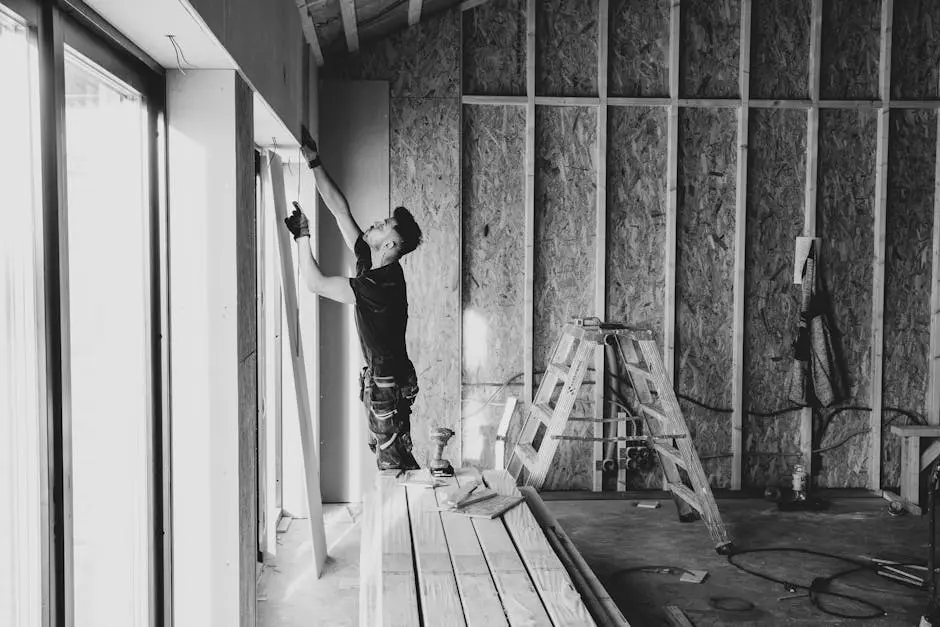
Before we get into patching, it’s essential to understand what drywall is and how it functions in your home. This section will cover the different types of drywall, their uses, and why knowing this helps in preparing for repairs.
Did you know that drywall has been a staple in home construction since the early 20th century? Its prevalence is due to its convenience and versatility. There are several types you might encounter: standard, moisture-resistant, and fire-rated drywall, each serving a distinct purpose. For instance, moisture-resistant drywall is perfect for areas prone to humidity, like bathrooms. Understanding these characteristics will not only aid you in selecting the right materials but also in predicting how they will respond to various types of damage.
So, why is it crucial to grasp the basics? When you truly understand how different drywall types work, you’re better positioned to choose appropriate patching techniques. For example, a simple nail hole will need a vastly different approach than a mudding or taping technique required for corner repairs. Preparation is key, as is knowledge, and having a grounding in drywall fundamentals sets the stage for successful patching.
Assessing the Damage
Not all damage is created equal! This part will help you evaluate the extent of the damage to determine what patching materials and methods you’ll need to use for the best results.
When assessing drywall damage, the first step is to identify whether you’re dealing with a small hole, a crack, or a large gash. Small holes, such as those left by nails or screws, are typically easy to fix with a simple compound and are ideally suited for beginners. However, larger damages might require more intricate repairs, including patching methods like using a patching mesh or even replacing an entire section of drywall. Understanding the scale of the damage is paramount in deciding your approach.
Another critical factor to consider is the surrounding area’s condition. If moisture has seeped into the drywall, it may have led to mold growth or weakened the material. In such cases, a mere patch won’t suffice; you might need to replace the affected sections entirely to prevent further issues. Evaluating the damage not only informs you of how to patch but also ensures the longevity of your repairs.
Gathering Your Tools and Materials
A successful patch requires the right tools. We’ll discuss all the essential tools you’ll need, from joint compound to the right trowel, so you can be fully prepared before getting started.
Before beginning any drywall patching project, gather the necessary materials to avoid frustration later. First, you’ll need joint compound, often referred to as mud. This is the primary material used for patching, and it comes in various formulations: all-purpose, lightweight, and quick-setting. Choose based on your project needs and your experience level.
You’ll also need a few key tools. A putty knife or trowel is essential for applying and smoothing the joint compound. For larger areas, a drywall knife or mud pan will come in handy as well. If you’re dealing with bigger patches, consider having mesh tape on hand — it’s perfect for reinforcing your repairs and preventing future cracks. Lastly, don’t forget sandpaper or a sanding sponge, which is crucial for achieving that smooth finish after your patch has dried.
Step-by-Step Patching Techniques
This section will provide a detailed guide on how to patch various types of damage, including small holes, medium-sized cracks, and large gashes. Each method will be broken down into easy-to-follow steps.
To start, let’s tackle small holes: these require little more than some joint compound and a putty knife. Apply the compound over the hole, feathering the edges to blend it into the surrounding wall. Allow it to dry thoroughly before sanding it smooth. For slightly larger holes, opt for a piece of patching mesh to reinforce your work. Apply the mesh over the hole, then coat it with mud, ensuring it’s well covered. Repeat the drying and sanding process until you achieve a seamless look.
Now, for larger gashes, a more complex method is necessary. Cut a piece of drywall that fits the damaged area and secure it in place with screws. Apply tape over the seams and cover with joint compound, feathering out the edges just like before. It may require multiple coats, but patience pays off! Ensure each layer dries well before going for the next round of sanding.
Sanding and Finishing for a Seamless Look
Once you’ve done the patching, it’s time to make it blend in. This segment will cover sanding techniques and finishing touches to achieve the smoothest and most seamless appearance possible.
Sanding is essential; it’s what transforms your rough patch into a smooth surface. Using a sanding block or sponge, gently sand your dried joint compound. Start with a coarse grit to knock down any high spots, and then switch to a finer grit to create a polished finish. Remember to wear a mask to protect yourself from dust! After sanding, take the time to wipe down the area with a damp cloth to remove any residual dust — this helps the paint adhere better.
Once you’re satisfied with the smoothness, it’s time for the finishing touches. Priming your patched area with a quality primer will ensure that the paint color remains consistent. When you’re ready to paint, choose a color that matches the rest of the wall, or go bold with a new shade! Apply two coats of paint for optimal coverage, and step back to admire your handiwork. A well-finished patch can seamlessly blend with the rest of the wall, making it seem like there was never any damage at all.
Troubleshooting Common Drywall Patching Issues
Even the best DIYers encounter issues. Here, I’ll address common problems you might face during drywall patching and how to fix them, ensuring your project remains on track.
One common issue you may run into is cracking. If your patch cracks after it dries, it might indicate that the joint compound was applied too thickly, or the drywall is settling. To resolve this, reapply compound over the crack, feathering it out. Once it’s dried and sanded, it should blend seamlessly with the wall.
Another problem could be the visibility of the patch after painting. If the patch shows through the paint, it might need another layer of compound or a proper primer. Sometimes, it helps to match the texture of the surrounding wall for an even finish. If you have a textured wall, consider using a texture spray before painting to disguise the repair better.
Tips for Long-Lasting Results
Finally, I’ll share some tips to ensure your patches stand the test of time. From choosing the right paint to maintaining your walls, these insights will help you keep your repairs looking fresh.
To keep your drywall patches looking their best, always opt for high-quality paint. A durable paint can withstand the test of time, preventing peeling or fading. Additionally, using a satin or semi-gloss finish can help protect the area from scrubbing and stains. Regular inspections of your walls can also be beneficial; catching problems early can prevent larger repairs down the line.
Moreover, maintaining an ideal environment can contribute to the longevity of your repairs. Ensure your home isn’t excessively humid; use vents or dehumidifiers in areas prone to moisture. This can prevent mold growth, which is the enemy of drywall integrity. Regular cleaning and touch-ups can also keep your walls looking new, so don’t shy away from those small maintenance tasks!
Wrapping Up Your Drywall Patching Journey
With these drywall patching tips in your toolkit, you’re well-equipped to handle any wall repair challenge that comes your way. Remember, practice makes perfect, so don’t hesitate to tackle those patches head-on. In no time, you’ll be proud of your freshly repaired walls and the skills you’ve acquired along the way. Happy patching!
