
Every homeowner knows the frustration of dealing with cabinet doors that just won’t cooperate. Whether it’s hinges that have come loose, doors that sag, or scratches and dents that diminish the beauty of your cabinets, these issues can quickly become a headache. The good news is that with a bit of know-how, many cabinet door repairs can be tackled with ease and minimal expense. In this blog, we’ll explore a variety of simple solutions for common cabinet door issues, ensuring your cabinets look and function their best.
Common Cabinet Door Issues and How to Identify Them
Before you can fix a cabinet door, it’s important to understand the common problems you might encounter, from misaligned doors to loose hinges. This section will help you identify what’s wrong.
One of the most prevalent issues is misalignment. A cabinet door that sits unevenly can be due to various reasons, such as loose screws or warped frames. If you notice gaps between the door and frame, it’s time to diagnose the root cause. Often, a quick visual inspection will tell you if the hinges need tightening or if the door needs a simple adjustment.
Another common problem is sagging doors, which can be both an aesthetic and functional concern. If you find that your cabinet door doesn’t close properly or hangs lower on one side, don’t despair. Understanding the source of the sag will set you on the right path to remedying the situation.
Finally, keep an eye out for scratches and dents that can occur over time. Whether from everyday use or accidental bumps, these imperfections can detract from your cabinets’ charm. Knowing how to assess these issues is a crucial first step in cabinet maintenance.
Tools and Materials You’ll Need for Cabinet Door Repairs
Having the right tools can make all the difference. This section will outline essential tools and materials you should have on hand before starting any cabinet repair project.
To begin, let’s talk about screwdrivers—both flathead and Phillips. These will be invaluable for tightening screws on hinges or other components. It’s a good idea to invest in a quality set that offers a variety of sizes to ensure that no job becomes too difficult.
Next, you should consider a level. This tool helps ensure your cabinet doors are straight and properly aligned, especially after making adjustments. A small, portable level should do the trick while remaining easy to store.
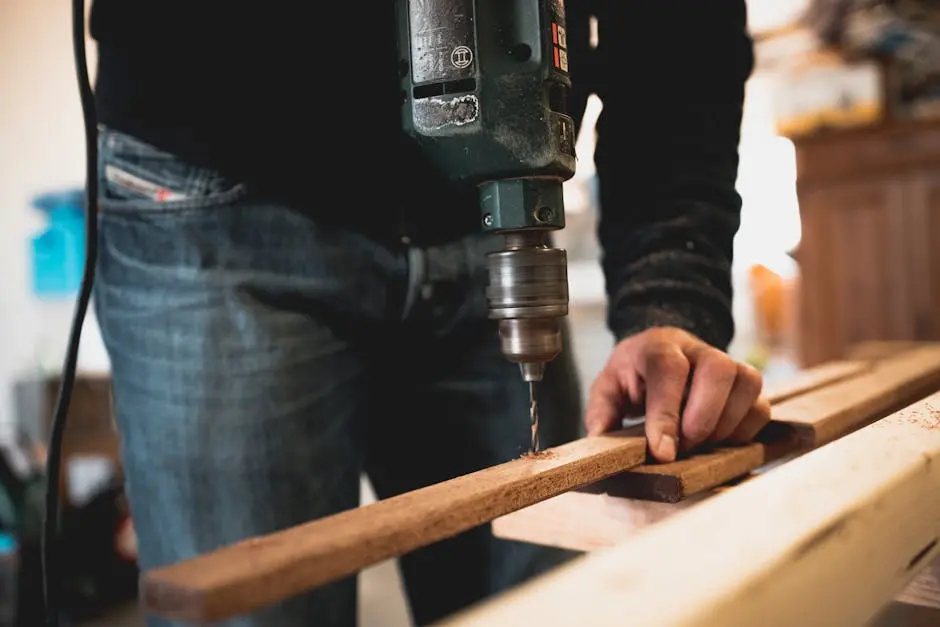
Additionally, a power drill can speed up the process of tightening or replacing screws, saving time and effort. If you’re dealing with bigger repairs, having wood glue and clamps on hand will help secure any pieces that need more than just screws.
Lastly, don’t forget sandpaper and wood filler for those pesky scratches and dents. These materials will assist you in restoring your cabinets to their original beauty, giving you all the necessary tools for any repair project that comes your way.
Fixing Loose Hinges: A Step-by-Step Guide
Loose hinges are a frequent culprit in cabinet door issues. In this guide, we’ll walk you through the steps to tighten or replace your cabinet hinges effectively.
First, you should start with a simple inspection. Open and close the door to observe its movement. If it swings awkwardly or doesn’t sit flush, it’s time to grab your screwdriver. Loosen the screws on the hinges slightly before gently pushing the door into place, then retighten the screws. This can often resolve the issue in a matter of minutes.
However, if the screws are stripped or the hinges are particularly worn, it may be necessary to replace them. Ensure you have matching hinges on hand. Remove the existing hinges by unscrewing them completely and then install the new ones, making sure they align perfectly with both the door and the cabinet frame.
It’s essential to check that you’re using the correct screw types, as mismatched sizes can lead to further problems down the line. Once installed, give the door a test swing. If it closes snugly and opens smoothly, you’ve successfully fixed your hinge woes!
Repairing Sagging Cabinet Doors with Simple Adjustments
No one wants cabinet doors that sag! This section provides you with simple adjustment techniques to get your doors back to their original position.
To begin, take a good look at the hinges. Often, sagging is due to loose screws. Loosening the screws and then repositioning the door may work wonders. But if that doesn’t resolve the issue, you might need to shim the hinges. This can involve inserting a thin piece of cardboard or a shim behind the hinge to lift the door into a better position.
If the problem persists, consider adjusting the hinge placement. To do this, you can remove the hinge and reposition it slightly higher or lower, depending on where you see the most sagging. Make sure to mark the old positions so you can realign everything properly. With just a bit of patience, you can have your doors standing tall once again.
Dealing with Scratches and Dents: Quick Fixes
Scratches and dents can make your cabinets look worn. Here, we’ll share quick and effective methods to minimize these imperfections and restore the look of your cabinets.
One of the simplest methods to fix scratches is to use a wood repair marker or crayon that matches your cabinet’s finish. Just gently apply it to the scratch and wipe away any excess with a soft cloth. This is particularly effective for light scratches.
For deeper scratches, you may need to go a step further with wood filler. Fill in the scratch, smooth it out with sandpaper once it’s dry, and then apply a matching finish or stain. This technique not only repairs the visible defect but also helps protect the wood.
In the case of larger dents, consider using a damp cloth and an iron for a quick fix. Place the damp cloth over the dent and apply a warm iron briefly—this can help the wood swell back into shape. Finish with a light sanding and a matching stain to make it less noticeable. No one will be able to tell that your cabinets were ever scratched or dented!
When to Call a Professional for Cabinet Repairs
Not every problem can be solved with DIY methods. This section discusses scenarios when it’s best to call in a professional, ensuring your cabinets get the care they need.
If you’ve attempted to fix the same issue multiple times without success, it may be time to take a step back and consult a professional. They can diagnose underlying problems that might not be visible to the untrained eye. This could include structural problems with the cabinet frame or issues with the surrounding areas that could lead to further damage.
Additionally, if you’re facing extensive damage or if the repairs involve complex woodworking skills, a professional can save you time, frustration, and potential extra costs of doing it wrong the first time. Complexities such as refacing cabinets or replacing entire doors may warrant expert assistance.
Lastly, if you simply lack the time or patience to address these repairs yourself, hiring an expert ensures that the work is completed efficiently and properly. It allows you to enjoy your living space while someone else handles the heavy lifting of repairs!
Final Thoughts on Cabinet Door Repair
With these easy cabinet door repair solutions, you can enhance the longevity of your cabinetry while saving time and money. Remember, taking a proactive approach in maintaining your cabinets not only improves your kitchen’s aesthetic but also keeps your home running smoothly.
