
Introduction: Understanding common electrical problems in homes
Understanding common electrical problems in homes is essential for any homeowner. Electrical issues can range from minor inconveniences to serious safety hazards. By familiarizing yourself with the most common problems, you can not only troubleshoot them but also prevent potential accidents. From flickering lights to tripping circuit breakers, this blog will provide you with the knowledge and expertise to identify and fix these issues. Don’t let electrical problems disrupt your daily life or put your loved ones at risk. Stay tuned to learn more about how to tackle these common electrical problems and ensure the safety and functionality of your home.
Overloaded circuits: Signs and solutions
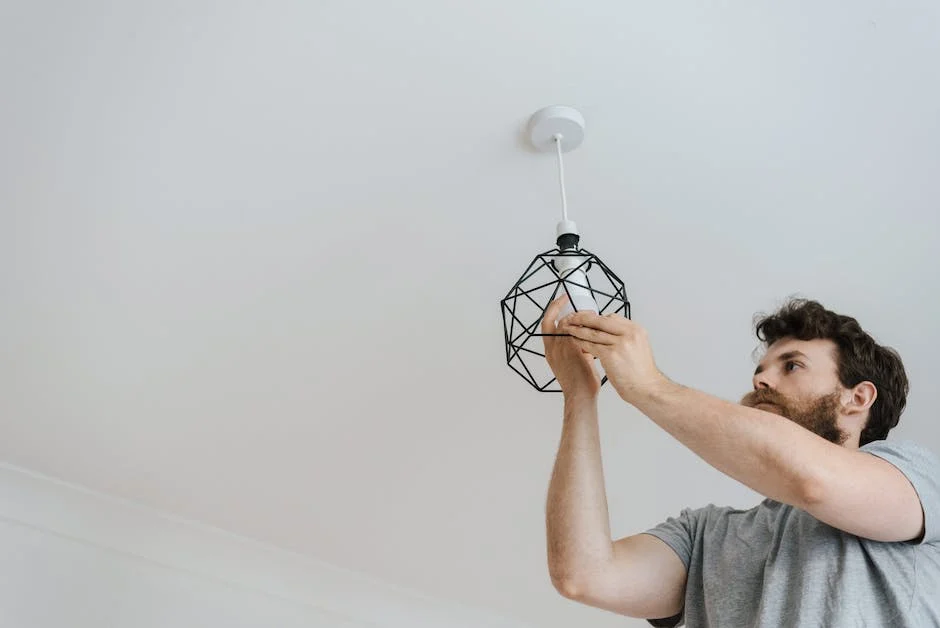
Overloaded circuits can be a common electrical problem in homes, but recognizing the signs and finding solutions is crucial for maintaining a safe and efficient electrical system. Signs of an overloaded circuit may include flickering lights, frequently tripping circuit breakers, or outlets that feel warm to the touch. To fix this issue, it is important to distribute the electrical load evenly by plugging appliances and devices into different circuits. Adding additional circuits or upgrading the electrical panel may also be necessary to accommodate the increased demand. By addressing overloaded circuits promptly, homeowners can prevent potential hazards such as electrical fires and ensure the smooth operation of their electrical systems.
Circuit breaker tripping: Causes and troubleshooting steps
Circuit breaker tripping is a common electrical problem in homes that can be frustrating and potentially dangerous. There are several possible causes for a circuit breaker to trip, including overloading, short circuits, and ground faults. Overloading occurs when too many appliances or devices are connected to a single circuit, exceeding its capacity. Short circuits occur when the hot wire comes into contact with the neutral wire, causing a sudden surge of electricity. Ground faults occur when the hot wire comes into contact with a grounded object, such as the metal casing of an appliance. To troubleshoot a tripping circuit breaker, start by identifying the cause and then take appropriate steps to address it, such as reducing the load on the circuit, checking for faulty wiring, or replacing damaged appliances. It is important to remember that electrical work should only be done by qualified professionals to ensure safety.
Flickering lights: Reasons and remedies
Flickering lights can be a common electrical problem in homes, and understanding the reasons behind it can help you find the right remedies. One possible cause is a loose connection in the electrical circuit, which can be easily fixed by tightening the screws or replacing the faulty wiring. Another reason could be voltage fluctuations, often caused by appliances with high power demands. Installing voltage stabilizers or surge protectors can help regulate the electrical supply and prevent flickering lights. Lastly, outdated or faulty light fixtures can also contribute to this issue. Replacing them with new, energy-efficient fixtures can provide a long-term solution. By addressing these underlying causes, you can ensure a stable and well-lit environment in your home.
Power surges: What they are and how to protect your home
Power surges can cause significant damage to your electrical appliances and even pose a fire hazard in your home. Understanding what power surges are and how to protect your home is crucial in preventing these issues. Power surges occur when there is a sudden increase in electrical voltage, often caused by lightning strikes, faulty wiring, or power grid malfunctions. Investing in surge protectors is an effective way to safeguard your home against power surges. These devices detect the surge and redirect the excess electricity to the grounding wire, preventing it from reaching your valuable electronics. Additionally, considering whole-house surge protection can provide comprehensive coverage for all your electrical systems. By taking these preventive measures, you can protect your home and ensure the longevity of your electrical appliances.
Electrical outlets not working: Troubleshooting tips
Electrical outlets not working can be a frustrating issue for homeowners. However, understanding the common causes and troubleshooting tips can help you resolve the problem quickly and safely. One possible reason for outlets not working is a tripped circuit breaker. By checking the breaker panel and resetting any tripped breakers, you can often restore power to the outlets. Another common culprit is a tripped Ground Fault Circuit Interrupter (GFCI) outlet, which is designed to protect against electrical shocks. Resetting the GFCI outlet can often solve the problem. If these steps don’t work, it could be a wiring issue or a faulty outlet that requires the expertise of a licensed electrician. Knowing how to troubleshoot electrical outlets not working can save you time, money, and potentially prevent more serious electrical problems in your home.
Faulty switches: How to diagnose and fix the issue
Faulty switches are a common electrical problem in homes, but diagnosing and fixing the issue doesn’t have to be a daunting task. When a switch fails to turn on or off, it could be due to a loose connection or a faulty switch itself. To diagnose the problem, start by checking the switch for any loose wires or connections. If everything appears to be in order, it’s likely that the switch itself needs to be replaced. Before attempting any repairs, always ensure the power is turned off at the circuit breaker to prevent any electrical accidents. By following these steps, you can easily troubleshoot and fix faulty switches, ensuring a safe and functional electrical system in your home.
Wiring issues: Signs of faulty wiring and how to address them
Wiring issues can be a common cause of electrical problems in homes, but they should never be ignored. Signs of faulty wiring include flickering lights, frequent tripping of circuit breakers, and discolored outlets. If you notice any of these signs, it is crucial to address the issue promptly to prevent potential hazards such as electrical fires. Hiring a licensed electrician is the best course of action, as they have the expertise to diagnose and fix wiring problems safely. Remember, taking the necessary steps to address wiring issues can ensure the safety and functionality of your home’s electrical system.
Electrical shocks: Causes, prevention, and what to do if it happens
Electrical shocks can be a frightening experience, but understanding their causes, prevention methods, and how to respond can help you stay safe. Electrical shocks occur when the body becomes part of an electric circuit, often due to faulty wiring or faulty appliances. To prevent electrical shocks, it is crucial to ensure proper grounding, regularly check for damaged cords or outlets, and avoid using electrical devices near water. If an electrical shock does occur, it is essential to act quickly. Immediately turn off the power source, if possible, and call for emergency medical assistance. Remember, electrical shocks can have serious consequences, so it is always best to consult with a professional electrician to address any electrical problems in your home.
Conclusion: Importance of addressing electrical problems promptly
Addressing electrical problems promptly is crucial for the safety and functionality of your home. Ignoring or delaying the resolution of these issues can lead to more significant problems, including electrical fires, power outages, and damage to your appliances and electronics. By promptly addressing electrical problems, you can prevent potential hazards and ensure the smooth operation of your electrical system. It is always advisable to seek professional help to diagnose and fix any electrical issues, as they have the expertise and knowledge to handle the complexities involved. Remember, a proactive approach to electrical problems can save you time, money, and most importantly, protect your home and loved ones from potential dangers.
