
Light installation can transform your home, adding warmth and functionality while enhancing your decor. Whether you’re a seasoned DIYer or new to home improvement, this guide will answer your common questions and help you navigate the light installation process with ease.
Understanding Types of Light Fixtures
Explore different types of light fixtures, including overhead lights, wall sconces, and recessed lighting, and determine which fits your home and needs best.
Overhead lights are often the primary source of illumination for any room. They come in various styles, from chandeliers to flush mounts, allowing you to enhance your decor while providing ample light. If you’re looking for a statement piece, a bold chandelier can serve as both a practical light source and a beautiful focal point.
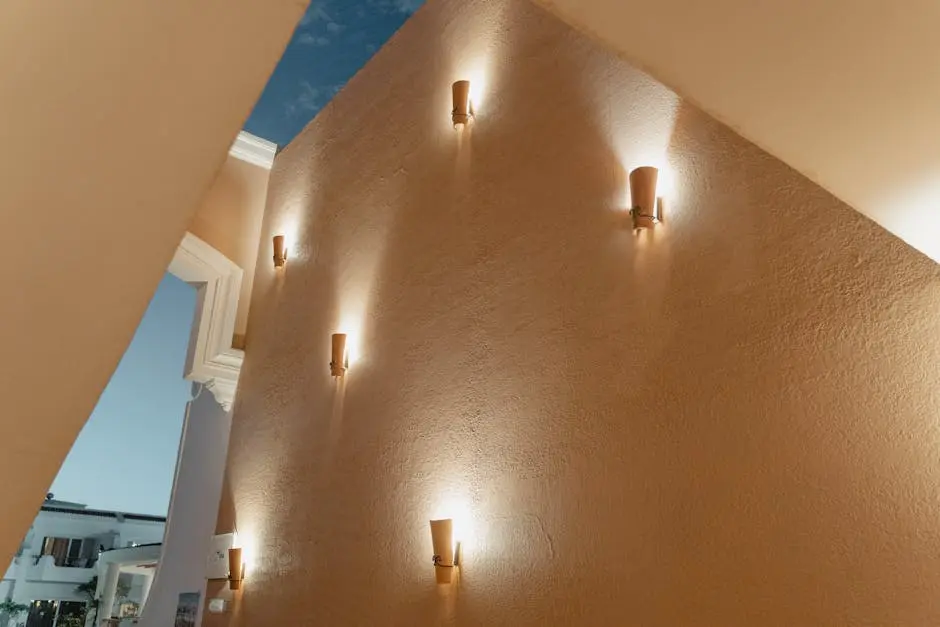
Wall sconces offer versatility in lighting design. Their placement can dramatically affect the ambiance of a room. These fixtures can be used to highlight artwork or provide soft lighting in hallways. Remember that wall sconces come in numerous styles, so choose ones that complement your overall aesthetic.
Recessed lighting, on the other hand, offers a clean and modern look. Installed into the ceiling, these lights are perfect for creating a seamless design. They can be spread throughout a space for even lighting or used strategically as accent lights to highlight specific areas, like a cozy reading nook or a kitchen counter.
Planning Your Lighting Layout
Learn how to effectively plan your lighting layout by considering room function, natural light, and the areas you want to highlight.
Begin by assessing the function of each room. For example, in a kitchen, you’ll want bright task lighting to facilitate meal prep, while a living room may benefit from softer, ambient light for relaxation. Identifying these unique needs will help you select the right fixtures and their placements.
Next, take into account the natural light available in each space. Rooms with large windows may not require as many light fixtures during the day, while darker areas might need additional overhead lighting. You can also use sheer curtains or mirrors to reflect light and brighten up spaces naturally.
Highlighting particular features—like artwork or architectural details—is also essential. Consider using spotlights or track lighting to create focal points that draw the eye. Planning your lighting layout with intention not only enhances functionality but also beautifies your home.
Safety First: Electrical Considerations
Understand the important electrical safety measures you must take, including switching off power and using appropriate tools.
Before starting your installation, make sure to turn off the power at the circuit breaker. This simple step is crucial in preventing any electrical hazards. Always keep a voltage tester on hand to double-check that wires are inactive before you start working.
Using proper tools is another key aspect of a safe installation. Invest in quality wire strippers, pliers, and screwdrivers to avoid potential accidents. Wearing safety glasses and gloves can further protect you while working, creating a safer environment.
DIY vs. Professional Installation
Decide whether to tackle the installation yourself or hire a professional, weighing the pros and cons of each option.
Taking on a DIY project can be rewarding and cost-effective. It allows you to personalize your lighting setup and can be a fun way to bond with family and friends. However, it’s essential to honestly evaluate your confidence and skill level. If electrical work is involved and you’re unsure, it may be best to consult with a professional.
On the other hand, hiring a professional electrician guarantees a safe and precise installation. They have the experience to troubleshoot any issues that may arise, ensuring that everything is up to code. Although this option will incur additional costs, it may save you time and stress in the long run.
Tips for Successful Light Installation
Gather essential tips to ensure a smooth light installation process, from choosing the right bulbs to final touches after installation.
When selecting light bulbs, consider both the brightness and the color temperature. Warm white bulbs create a cozy atmosphere, ideal for living spaces, while cool white bulbs work well in work areas, enhancing visibility. Dimming capabilities can also add versatility to your lighting scheme.
After installation, take time to evaluate the positions and adjust accordingly. Sometimes, a minor tweak can make a big difference in the overall effect. Don’t hesitate to experiment with different shades or locations until you find the perfect balance.
Wrapping Up Your Light Installation Journey
Light installation doesn’t have to be daunting! By following these steps and considering your own home’s needs, you can create an inviting atmosphere that’s both functional and beautiful. Remember to prioritize safety and don’t hesitate to consult professionals when necessary.
